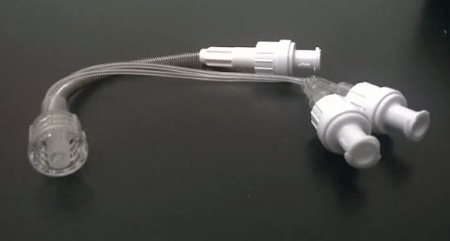
While Y port access generally supports medication administration, understanding specific y tubing applications in blood product and specialized fluid administration reveals additional clinical contexts where this branching design provides particular value. This overview explores these specialized use cases.
Simultaneous Blood and Saline Administration
Blood transfusion protocols sometimes call for saline to be run simultaneously or alternately with blood product administration, and Y tubing configurations specifically designed for this purpose allow clinical staff to manage both fluids through a coordinated tubing setup.
Y Tubing in Dedicated Blood Administration Sets
Beyond the simple Y port access points found in standard fluid administration sets, dedicated blood administration sets often incorporate a more substantial Y tubing configuration specifically engineered to support the simultaneous or sequential administration this transfusion protocol requires.
Managing Fluid Compatibility Through Y Tubing Design
Since certain fluids, including many medications, aren’t compatible with direct mixing alongside blood products, Y tubing configurations in this context need to support appropriate sequencing and flushing procedures to avoid unintended fluid interactions within the shared pathway.
Clinical Workflow Considerations for Transfusion Protocols
Nursing staff managing blood transfusions using Y tubing configurations need clear understanding of their specific protocol’s requirements around fluid sequencing, flush volumes, and appropriate use of the Y tubing’s branching pathways to ensure safe, protocol-compliant administration.
See also: The Two Lawful Roads to BPC-157, and Why They Don’t Belong on the Same Comparison List
Y Tubing in Other Specialized Fluid Administration Contexts
Beyond blood transfusion, certain other specialized fluid administration protocols, involving fluids requiring careful sequencing or coordinated delivery, similarly benefit from Y tubing configurations that support this more complex administration pattern.
Training Requirements for Y Tubing Use in These Contexts
Given the clinical importance of correctly following transfusion and other specialized administration protocols, staff typically require specific training on the particular Y tubing configuration and procedure relevant to these specialized applications, beyond general IV therapy competency.
Understanding Specialized Y Tubing Applications
For a more detailed look at how Y tubing configurations support these specialized clinical contexts, reviewing information on y tubing applications helps clarify its role beyond standard secondary medication administration.
Frequently Asked Questions
Why might blood transfusion protocols require Y tubing configurations? Some protocols call for saline to be run simultaneously or alternately with blood product administration, and Y tubing configurations allow clinical staff to manage both fluids through a coordinated setup.
Why does fluid compatibility matter for Y tubing use in transfusion contexts? Certain fluids, including many medications, aren’t compatible with direct mixing alongside blood products, requiring appropriate sequencing and flushing procedures to avoid unintended fluid interactions.
Do staff need special training for Y tubing use in blood transfusion protocols? Yes, given the clinical importance of correctly following transfusion protocols, staff typically require specific training on the particular Y tubing configuration and procedure beyond general IV therapy competency.
Final Thoughts
Understanding Y tubing applications specific to blood transfusion and other specialized fluid administration contexts reveals additional clinical value beyond standard secondary medication access. This specialized knowledge supports safe, protocol-compliant administration in these more complex clinical scenarios.