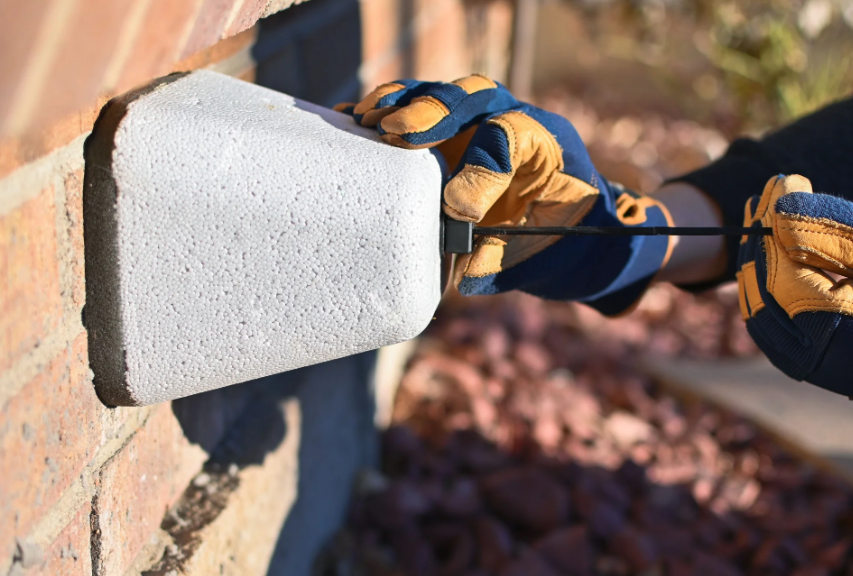
Decide between frost-free and standard outdoor faucets based on climate and access. Plan placement, interior shutoff routing, and how to seal exterior penetrations to prevent leaks. Outline supply routing to minimize disruption and ensure proper drainage, documenting each path. Gather essential tools, materials, and safety gear, then prepare fixtures and connections with tested seals. The method is straightforward, but careful preparation matters for long-term durability and winterization, inviting a closer look at the details that follow.
Decide Between Frost-Free and Standard Outdoor Faucets
When choosing between frost-free and standard outdoor faucets, the decision hinges on climate, how often the faucet is used, and the likelihood of freezing temperatures.
Frost free vs standard faucet differences center on interior shutoff location and leak risk.
Consider long term freeze risk vs short term use, balancing maintenance, reliability, and freedom to select a resilient, low-effort option.
Plan Placement, Supply Routing, and Freeze Considerations
Plan placement and supply routing should prioritize accessibility, frost protection, and minimal disruption to water flow. Frost considerations compare frost free vs standard configurations, selecting routes that reduce exposure and facilitate drainage. Interior shutoff routing keeps control within heated spaces, preventing freezes. Ensure gravity or pumped drainage paths, verify exterior wall penetration is sealed, and document routes for future maintenance and reliability.
Gather Tools, Materials, and Safety Gear
Gathering the correct tools, materials, and safety gear is essential to a successful installation. This phase lists supplies, verifies compatibility, and ensures preparedness. Idea one emphasizes durability; idea two stresses safety first.
Precision follows a practical sequence: tape measure, adjustable wrench, plumber’s tape, pipe dope, shutoff keys, gloves, eye protection, and a bucket. Proper storage and inspection reduce future service calls and setback.
See also: The Rise of Buy Now, Pay Later Technology
Step-by-Step Installation and Leak Prevention and Winterization
After assembling the necessary tools and safety gear, the next step is a systematic installation followed by checks to prevent leaks and prepare the system for cold weather.
The procedure outlines secure mounting, proper pipe connections, and tested sealing.
Attention to detail ensures reliability.
This section invites discussion ideas 1, discussion ideas 2 about best practice and long-term durability.
Conclusion
In winter’s stillness, the faucet stands ready, a quiet sentinel against the thaw. Yet inside, valves whisper of complex routes and careful shutoffs, a map of hidden channels. Frost-free promise confronts standard vulnerability, each choice etched like a measured stroke on a blueprint. Outside, practicality meets endurance; inside, documentation and drainage marry durability. The juxtaposition—cold steel and warm plans—reminds us that preparedness is the bridge between leaks avoided and water secured.